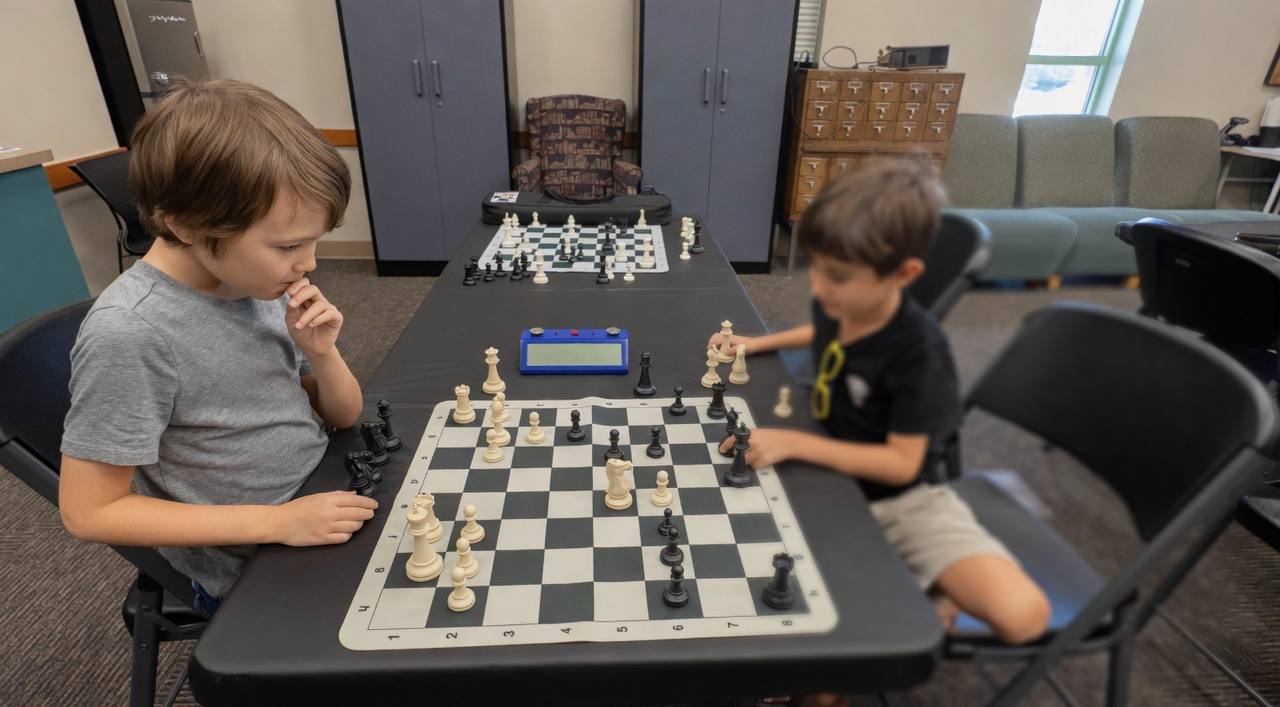
Spark to Gust
Learn the board, piece movement, safety, and how to survive the opening without feeling overwhelmed.
I do not think chess improvement is one giant jump. It feels more like leveling up one clear layer at a time, with each level building confidence for the next one.
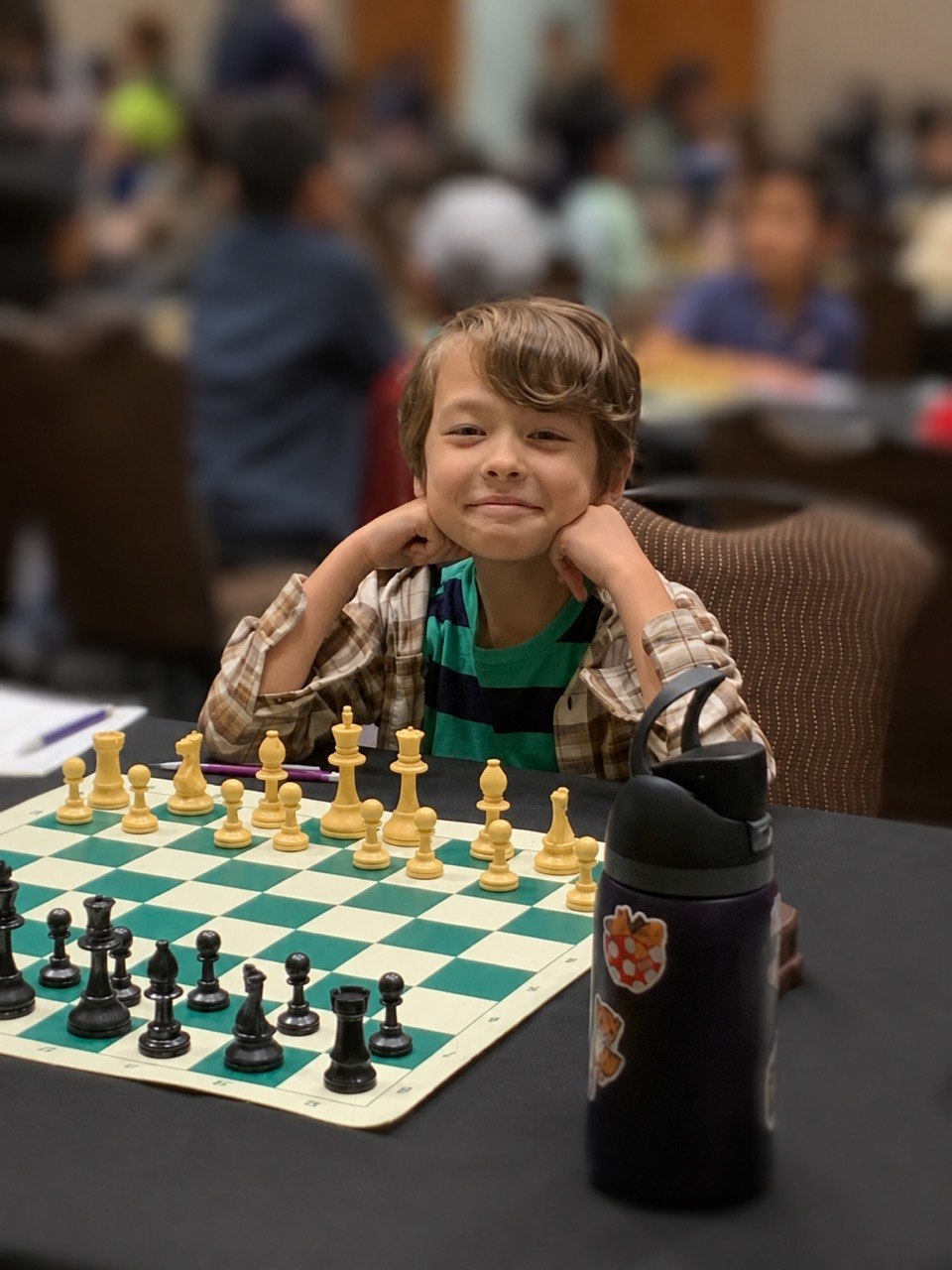
Learn the board, piece movement, safety, and how to survive the opening without feeling overwhelmed.
Start seeing forks, pins, plans, endgames, and the reasons behind stronger moves.
Prepare for tournaments, handle pressure, analyze deeply, and teach newer players too.
Open any level to preview the skills Keith teaches in class, from first moves to competition coaching.
Board setup, piece names, how pieces move, and basic captures.
Beginners start with predictable routines so each lesson feels clear instead of overwhelming.
Check, checkmate, stalemate, and basic opening principles.
Kids learn how to protect their king, develop pieces with purpose, and avoid chaotic early losses.
Forks, pins, skewers, and discovered attacks.
Tactical patterns give students memorable wins and teach them to scan the whole board before moving.
Opening systems, endgame fundamentals, and pawn structures.
Lessons shift from isolated tricks to full-game understanding, with stronger planning and cleaner technique.
Tournament preparation, time management, and advanced tactics.
Strong players need routines that hold up in competition, not just in casual practice.
Competition coaching, deep analysis, and teaching others.
The best players do not only calculate well. They review deeply, prepare carefully, and help raise the whole classroom.
The levels page explains the path. The classroom page shows the live boards where Keith actually teaches positions, puzzles, and analysis.