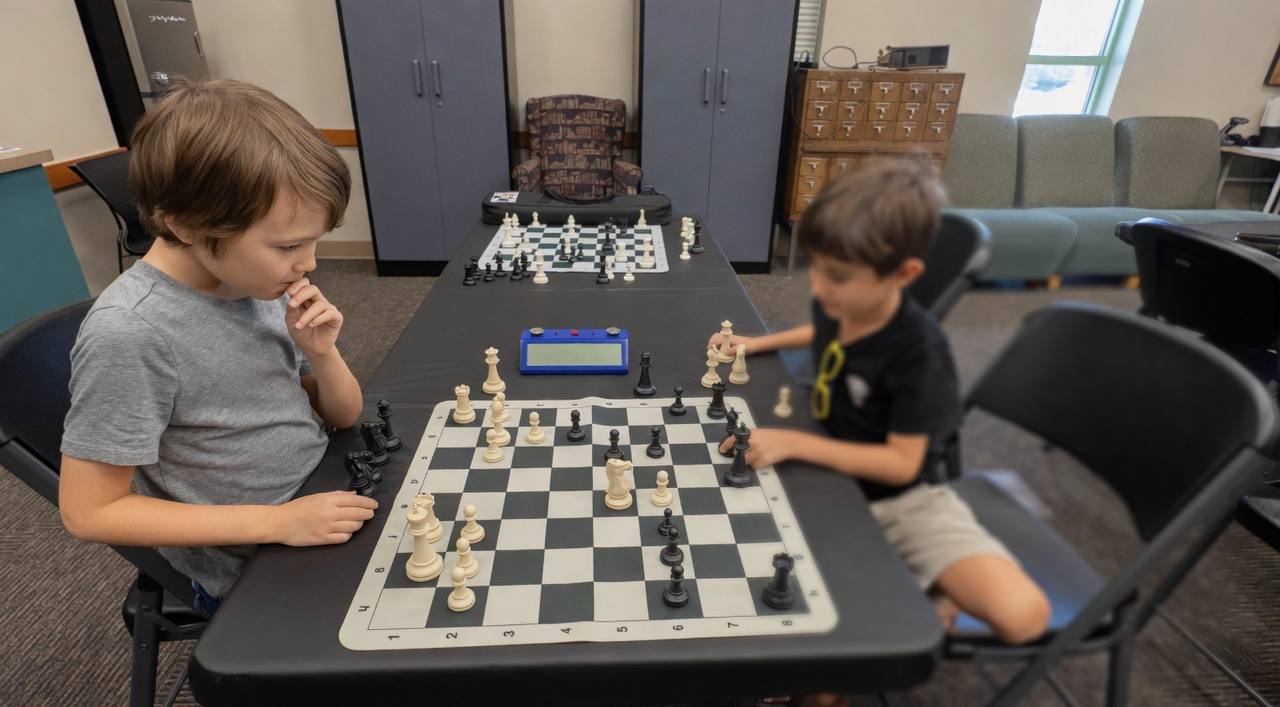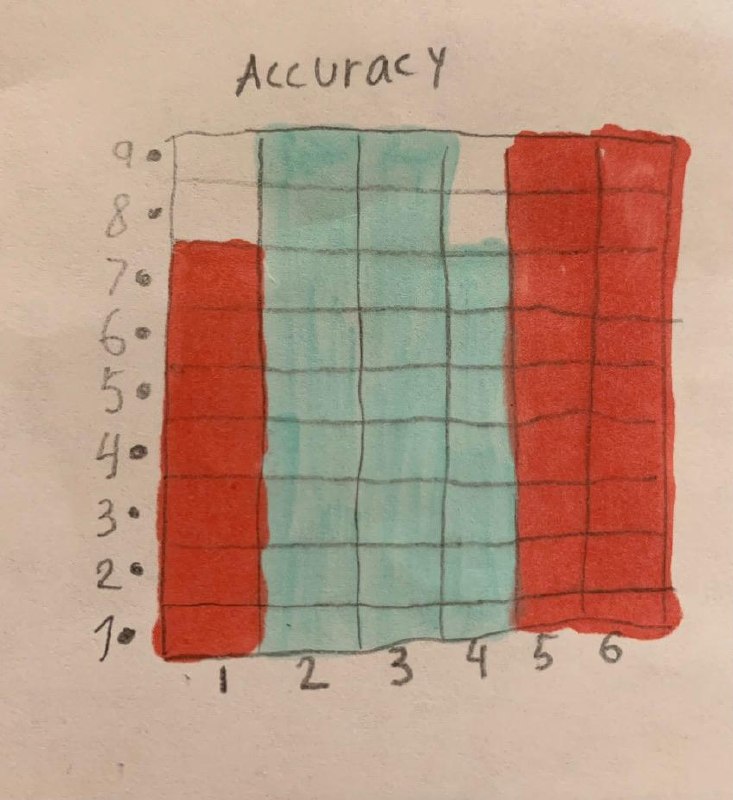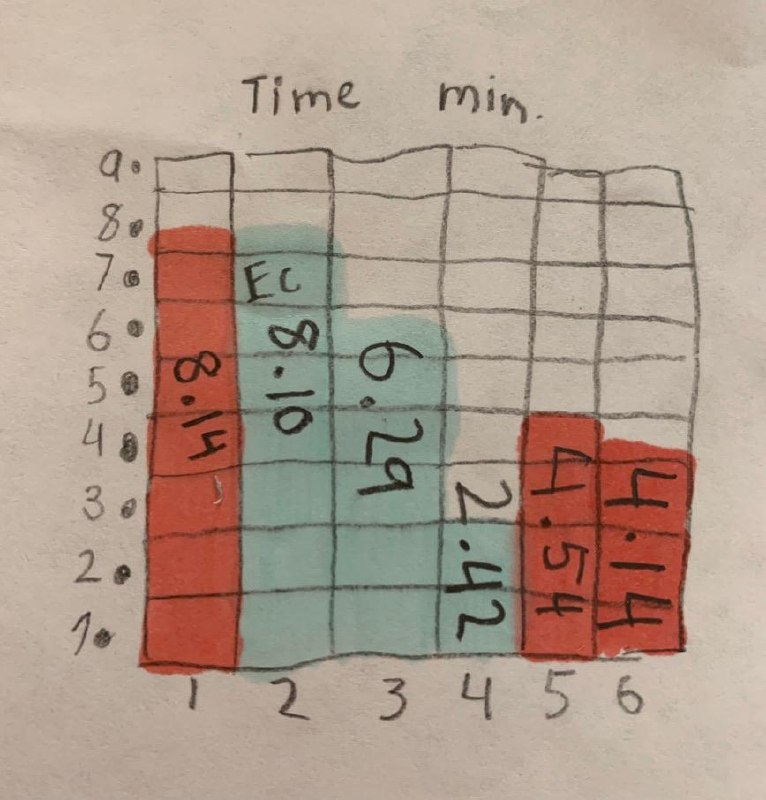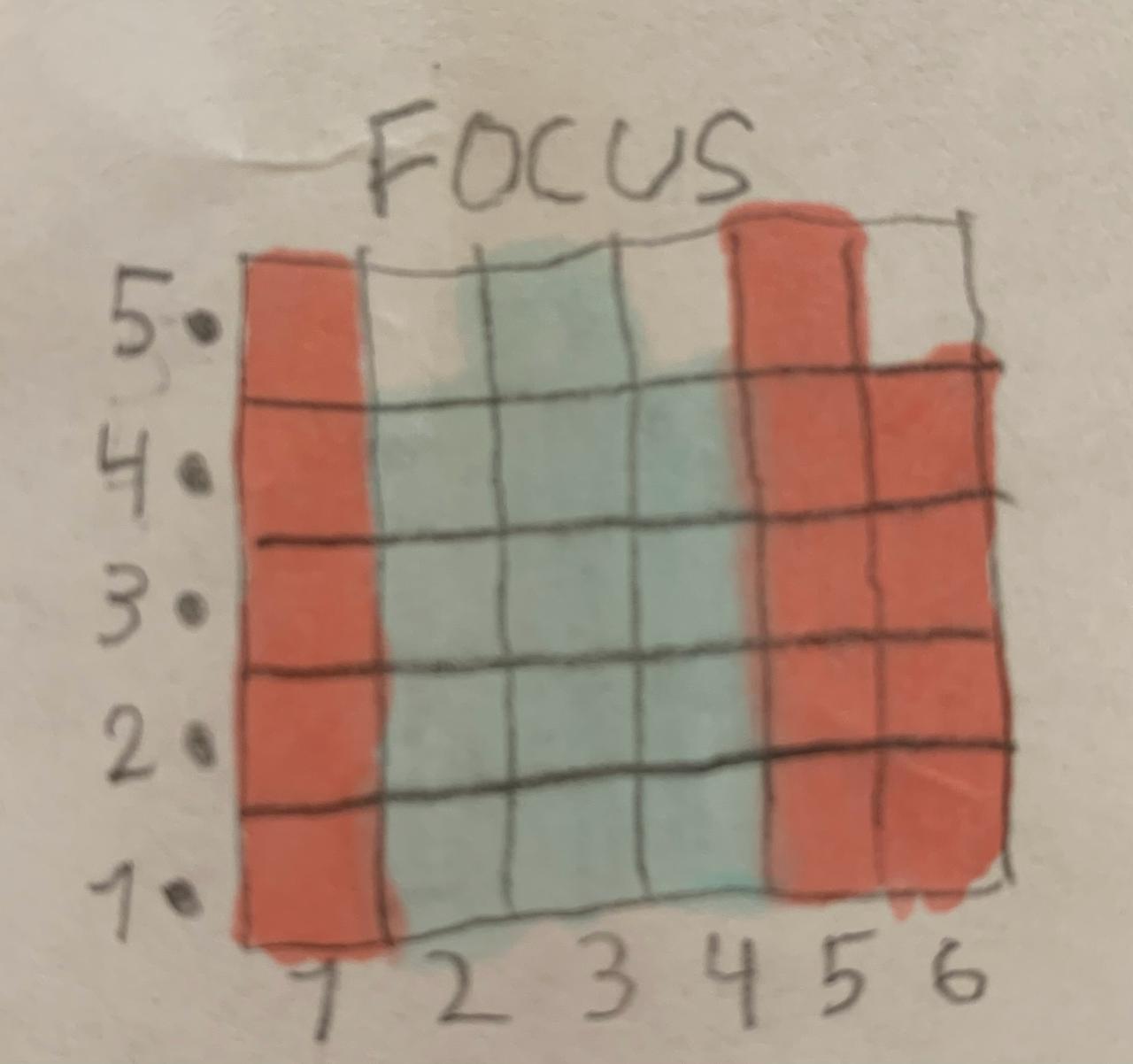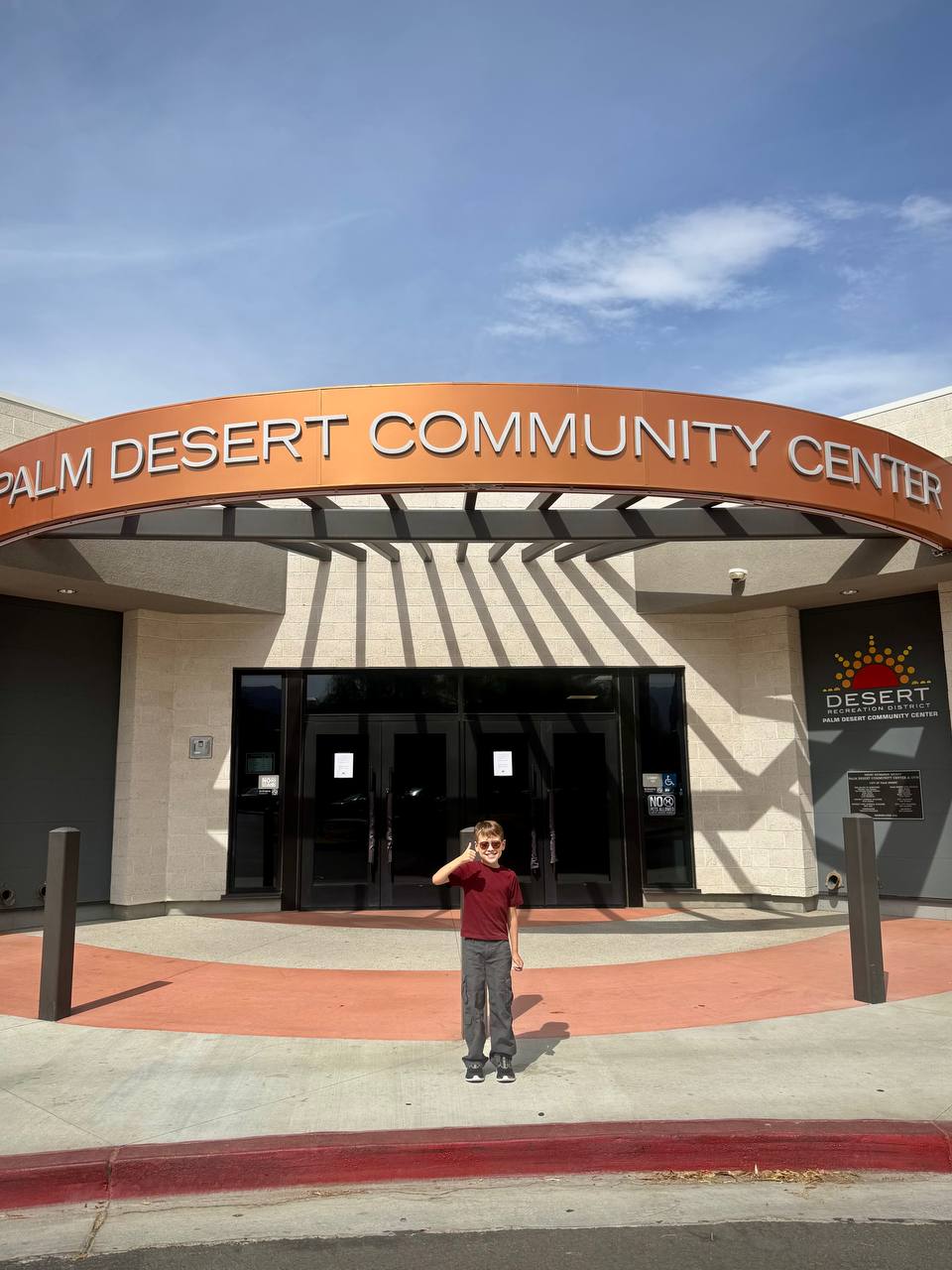
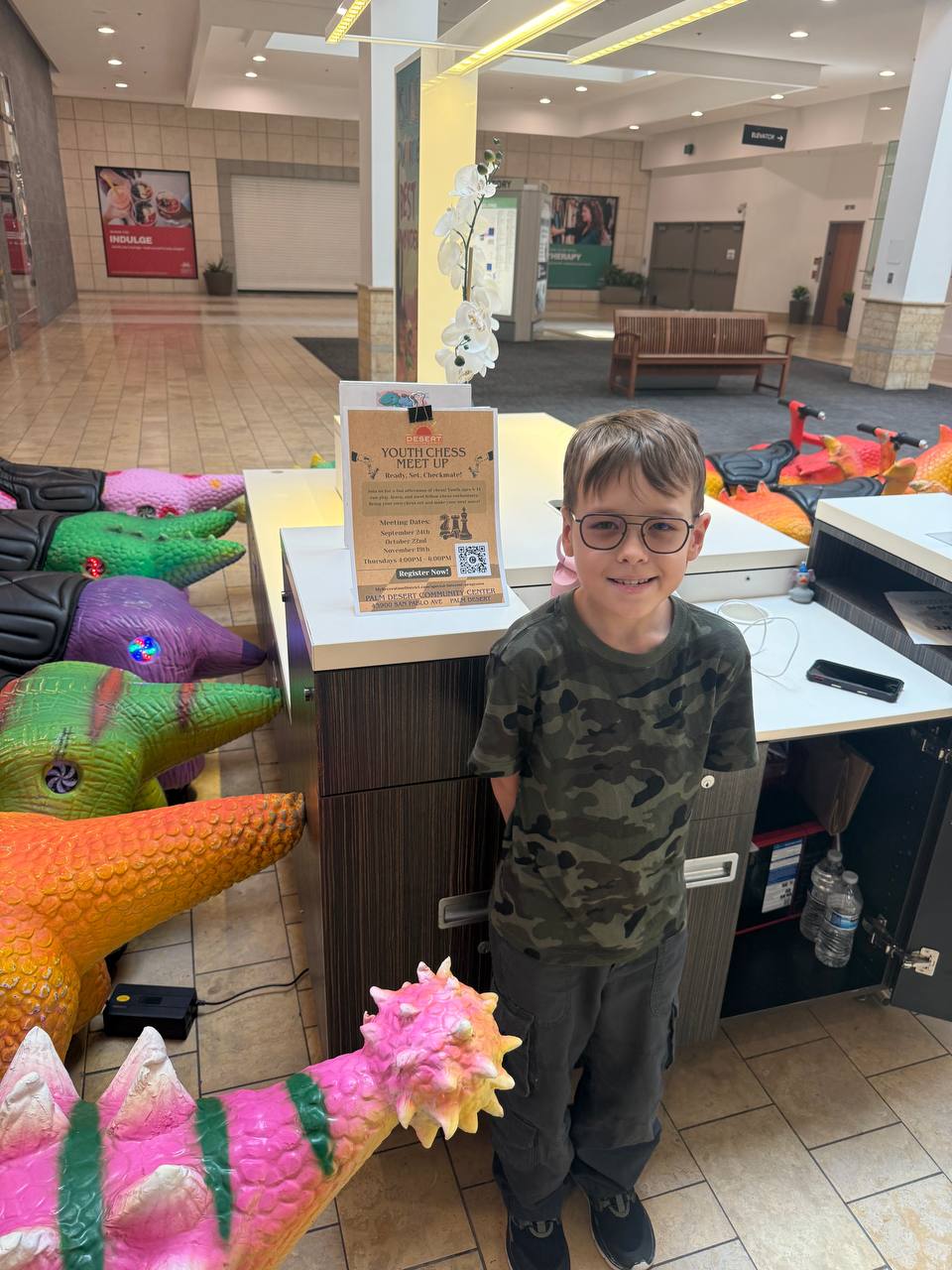
Outside the Palm Desert Community Center before my meeting with Desert Recreation District, I first wanted a chess club because I knew I could help more kids. But having an idea for a chess club and actually starting one are two different things. To make the idea real, I knew I had to have a meeting first with the Desert Recreation District.
At first, I thought it would be pretty scary, but I was determined that I could handle it. I also thought it was going to be fun at the same time.
What Happened in the Meeting
My meeting was with Chris, DRD Recreation Specialist. I went to the front desk and saw him there. He led us to his office, and that was where we had our meeting. The first thing I noticed when I got there was his drawings. I thought he might be creative. That made me feel a little more comfortable talking to him about my own idea. When we sat down, he asked me, "What do you envision this to be?"
I liked that question because I got to explain what I thought the chess club might look like. Until then, it had mostly been an idea in my head. Now I was explaining it to someone who could actually help make it happen.
When I Knew It Was Real
I did not think DRD would actually provide a room for the club. I thought we were mostly going to talk about the idea. But as the meeting went on, we talked about what the chess club would need and what DRD could provide. Then Chris said we could use the dance room. That's when I realized that they might actually let me do it.
I used the context clues for this. If we were talking about which room we were going to use, I figured that he meant we were actually going to have our chess club there. I learned something else from the meeting too: now I know adults might actually want to hear what kids like me say.
Now We Need Chess Players
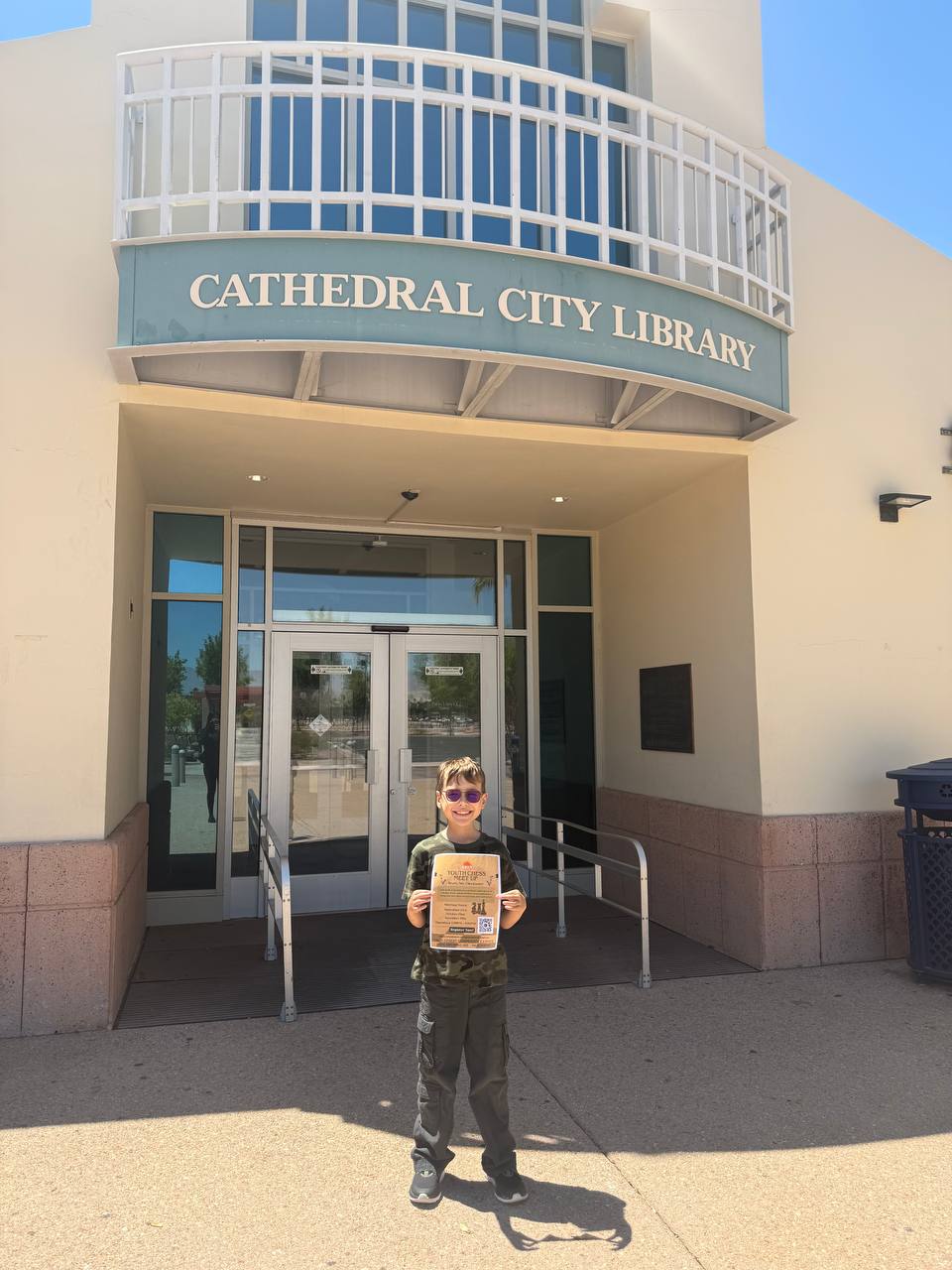
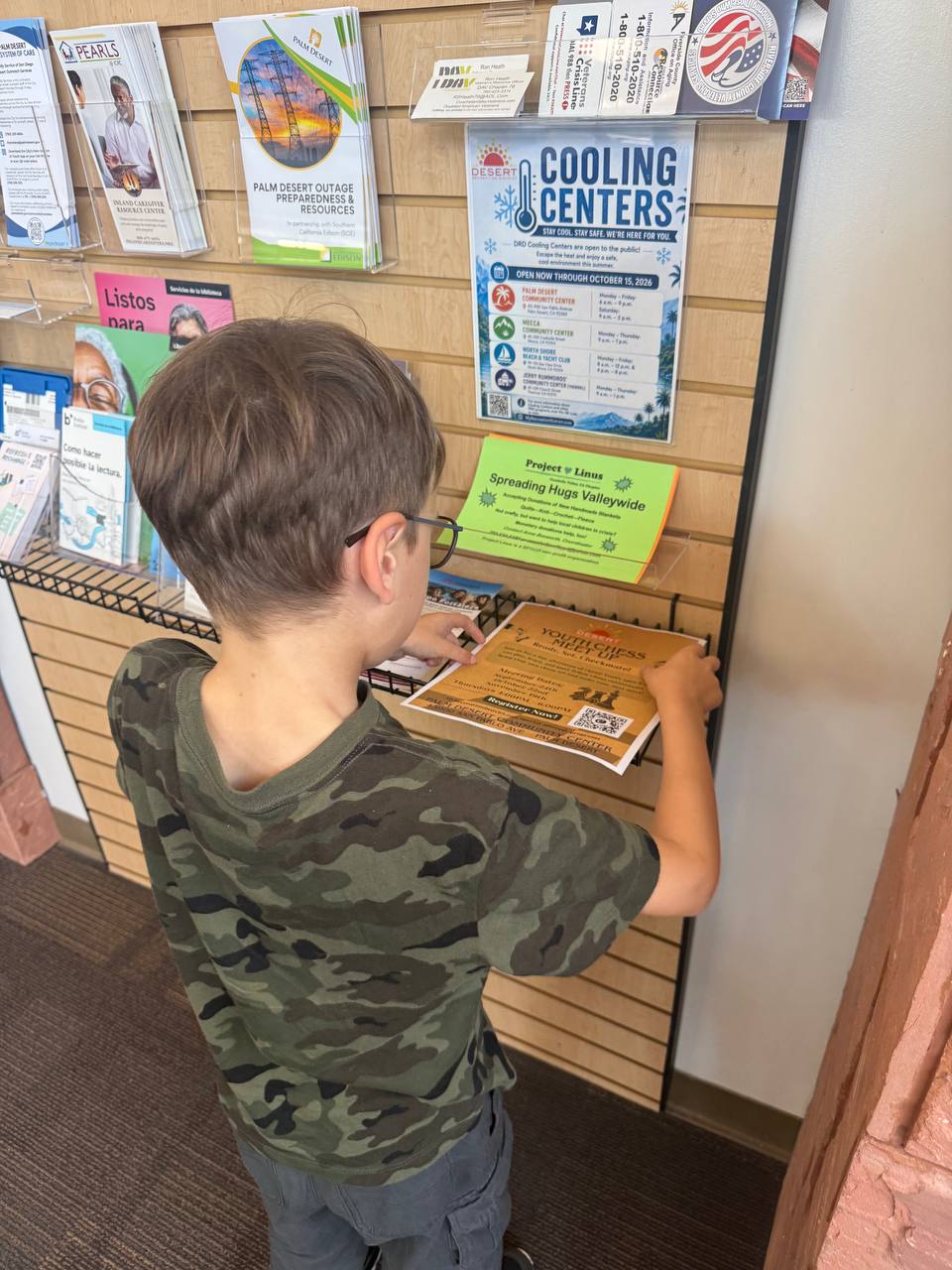
Getting a room did not mean we were finished. A chess club is not much of a chess club without players. So the next problem was figuring out how to let kids know about it. Chris made the flyers, and I went around the Coachella Valley to different places where kids and families might see them.
I gave them to people because I needed to put them up where people could see them. I felt happy doing this because I am going to get to teach people.
What Happens Next?
I am not sure yet. This is my first time helping start a chess club, so there are still things we have to figure out. I do know that kids will get to come together to play chess, and I will get to help teach them.
The first Desert Youth Chess Meet Up is September 24. Now we just need the chess players to show up.