Hi, I'm Keith
This is my website about chess, and right now the new club is the biggest thing on it.
I made StormChess because chess helps my brain slow down and focus. Right now I am getting ready for the first Desert Youth Chess Meet Up, so this site highlights the club, the story behind it, and how to join.
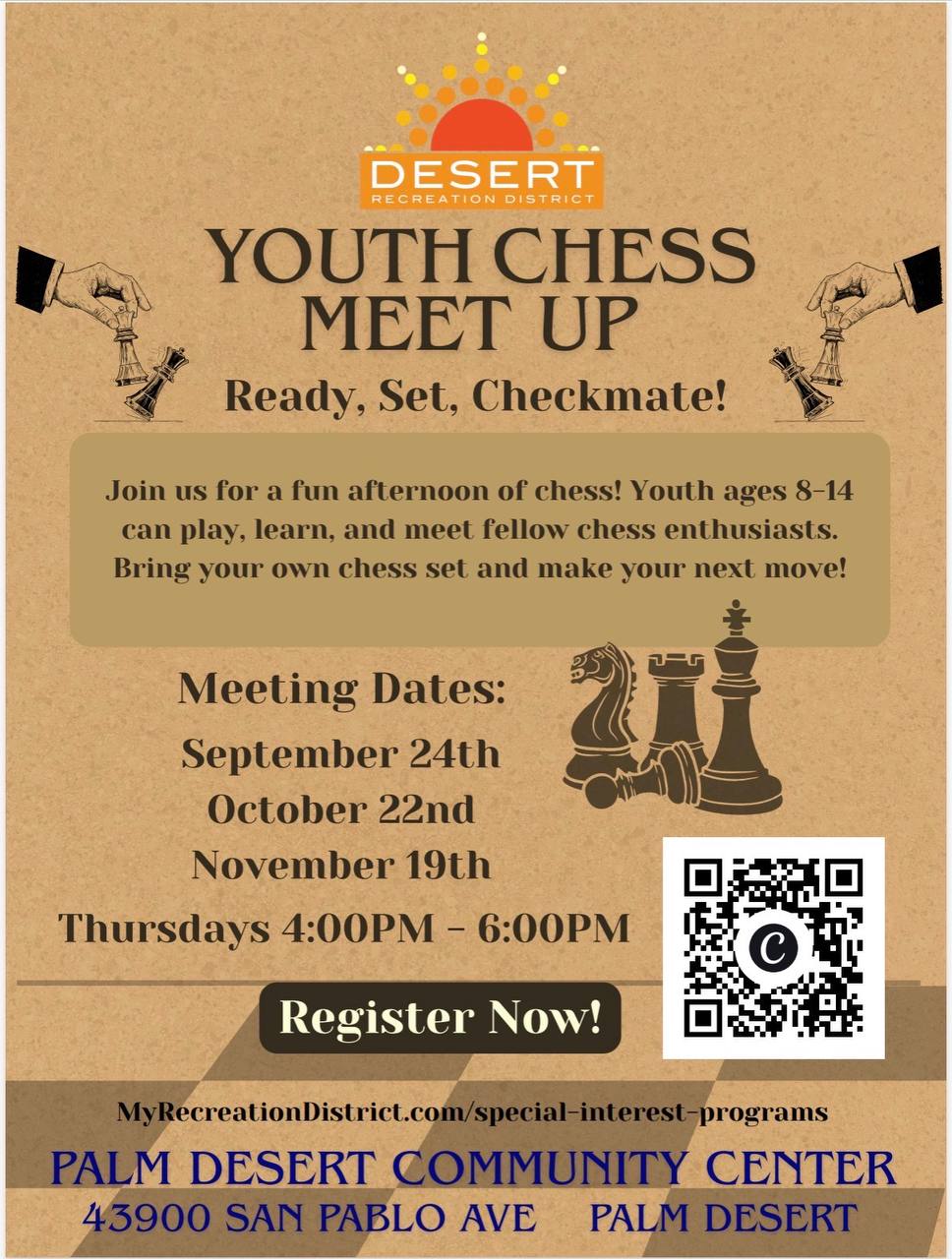
- First meeting: Sept 24
- Club updates
- Puzzles I like
- Stories and notes
What I'm doing lately
Launch mode
My club mission
Right now I am focused on getting ready for the first club meeting, helping kids hear about it, and making StormChess feel like the real home base for the launch.
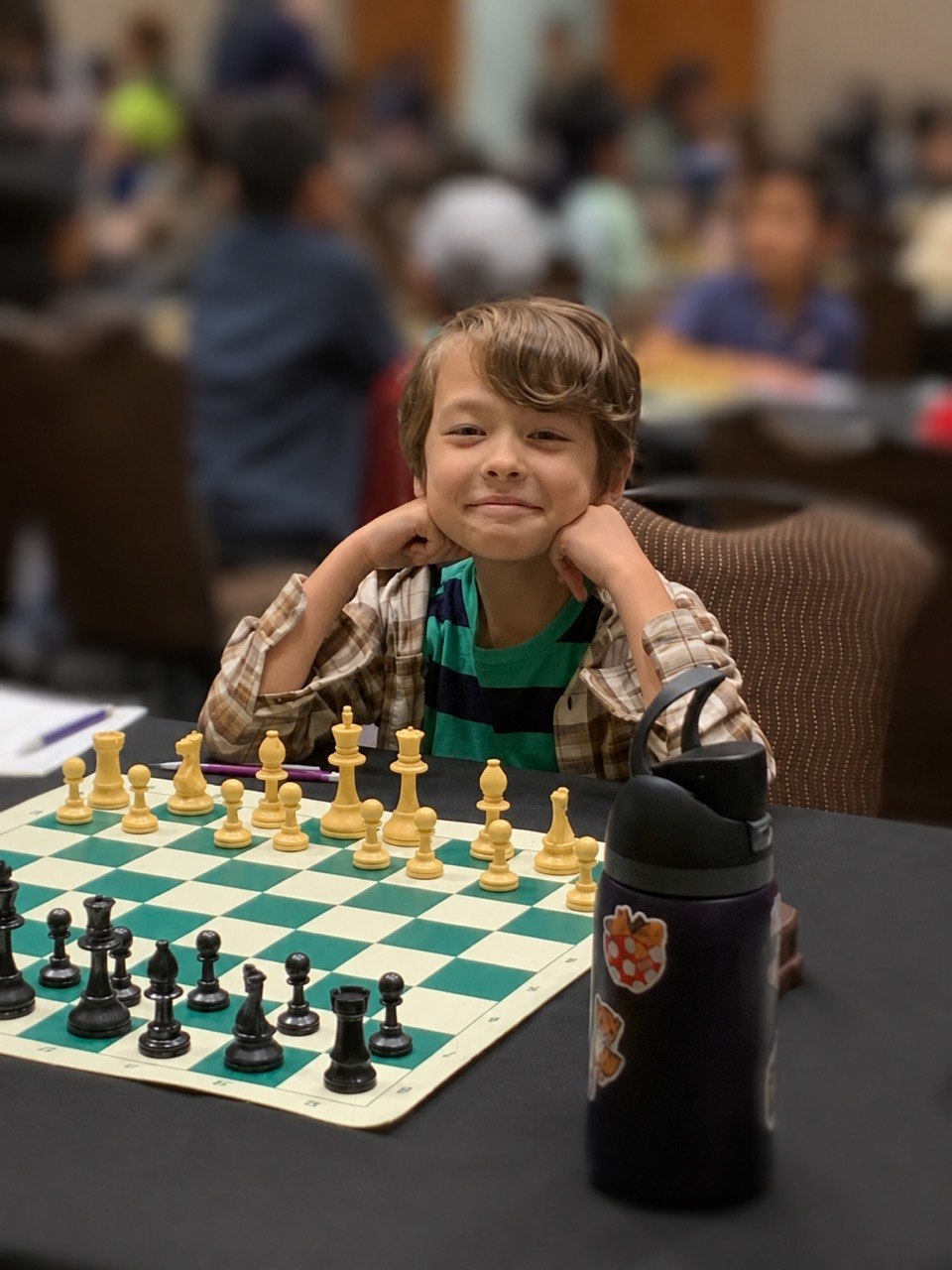
About StormChess
I wanted this site to feel like my notebook, not a company ad.
I wanted it to look fun because chess is fun for me. But I also wanted it to feel like a real place where I can keep track of what I make, what I learn, and what I want to teach.
⚡
Short chess stuff
I like short puzzles and lessons because they help me keep going instead of feeling stuck forever.
🧠
Clear steps
I like when things are clear and not all over the place, so I try to make this site feel easier to follow.
🛡️
Less weird internet stuff
I did not want this to feel noisy or creepy or full of random stuff. I wanted it to feel normal and real.
New local club
Palm Desert chess club now launching at the Palm Desert Community Center.
I was really excited to help get this chess club started so more kids can play in person, meet each other, and have a place to keep learning. The first meeting is getting close, and I have been out sharing flyers around town to help build the launch.
Club details
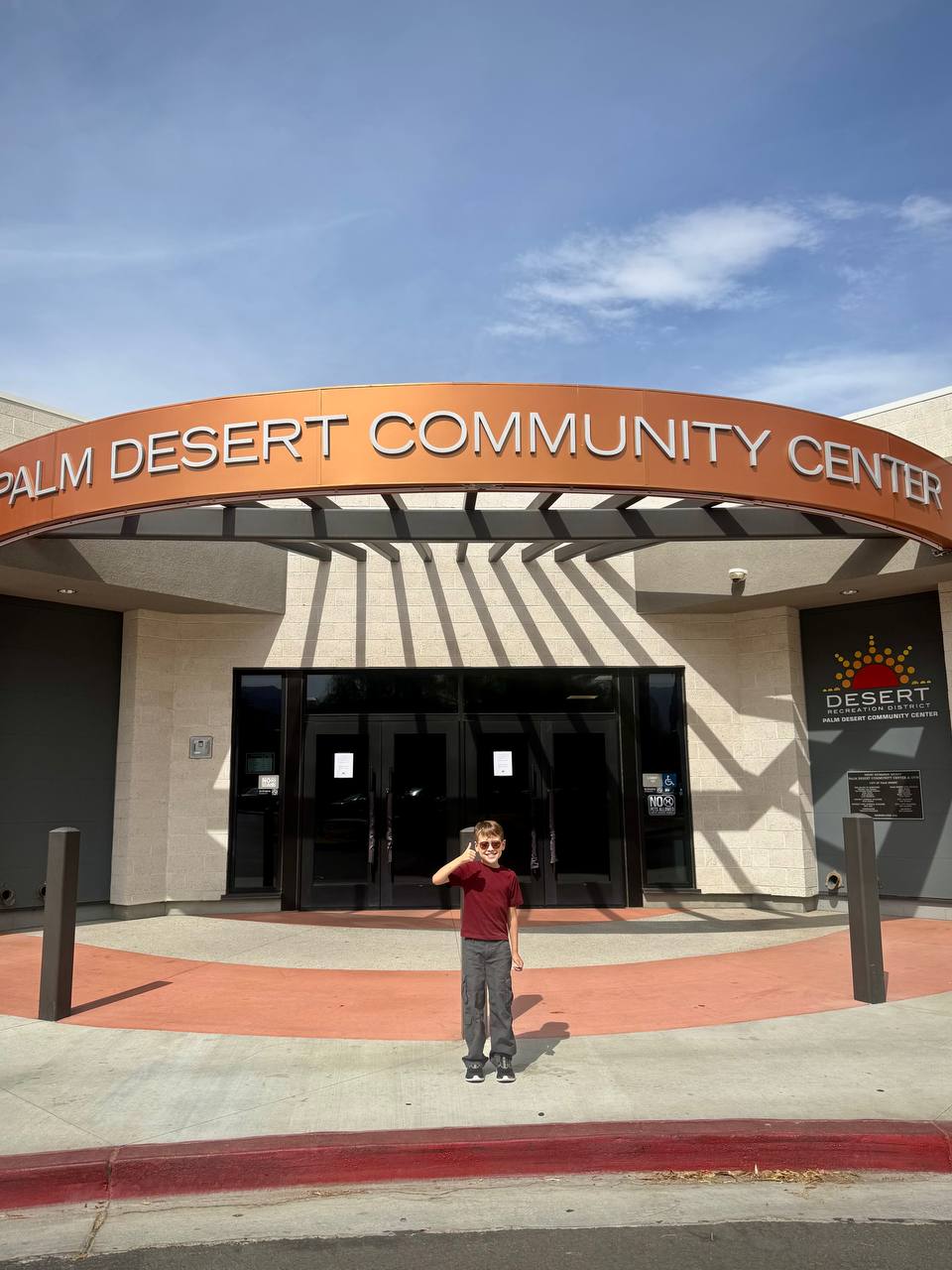
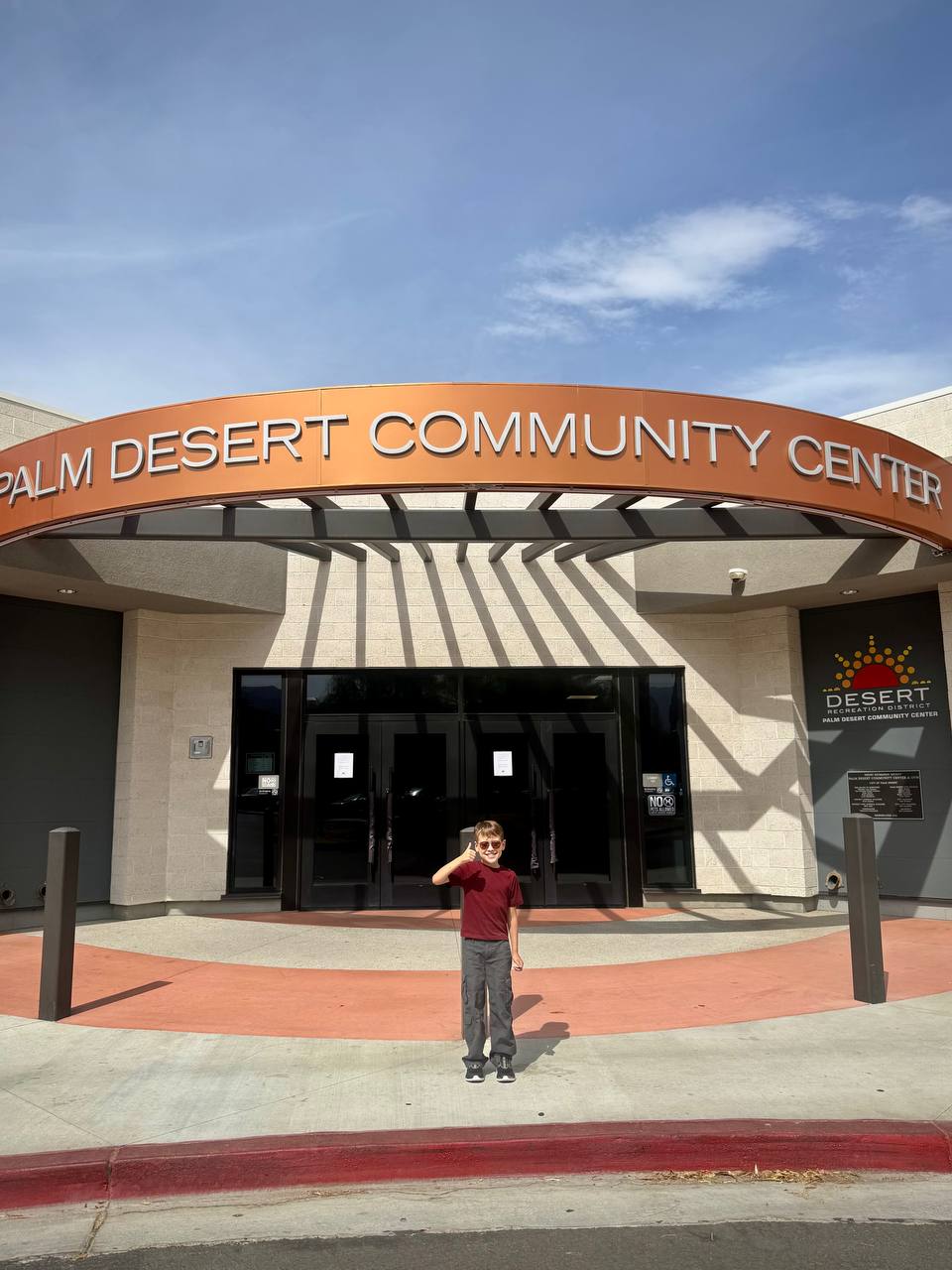
If you are 8 to 14 and want to play chess with other kids, this is the new club I helped get started at the Palm Desert Community Center, 45900 San Pablo Ave, Palm Desert.
- First meeting: September 24
- October 22
- November 19
- Thursdays, 4:00 PM to 6:00 PM
Sign up
The Rec Center does the signup, so use their page if you want a spot. You can also open the flyer if you want the details and sign-up code first.
This club is real now.
I wanted the homepage to show actual photos of me and the place, not just text about it.
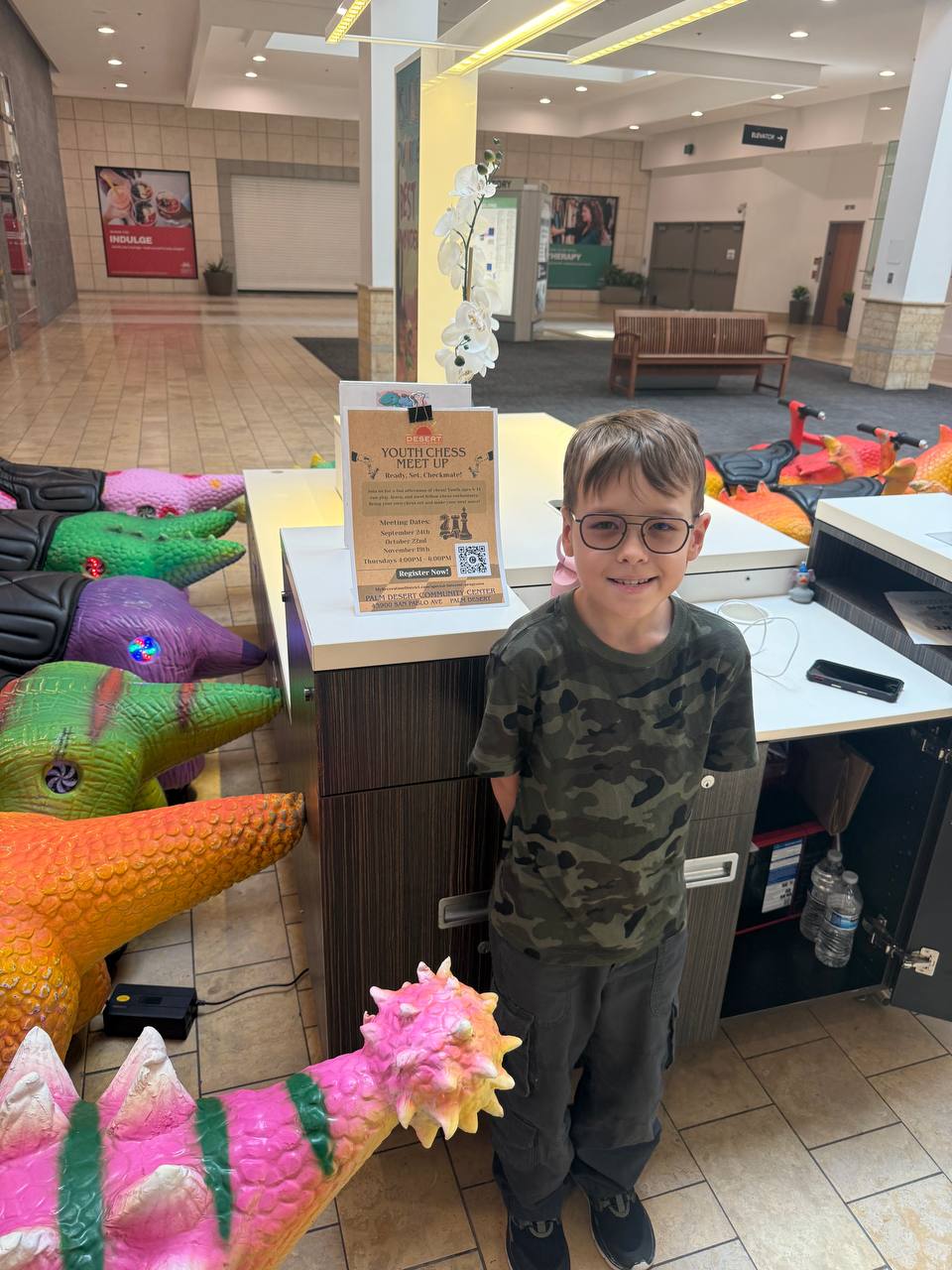
Building the launch
I have been sharing flyers around town so more kids hear about the first meeting before it starts.
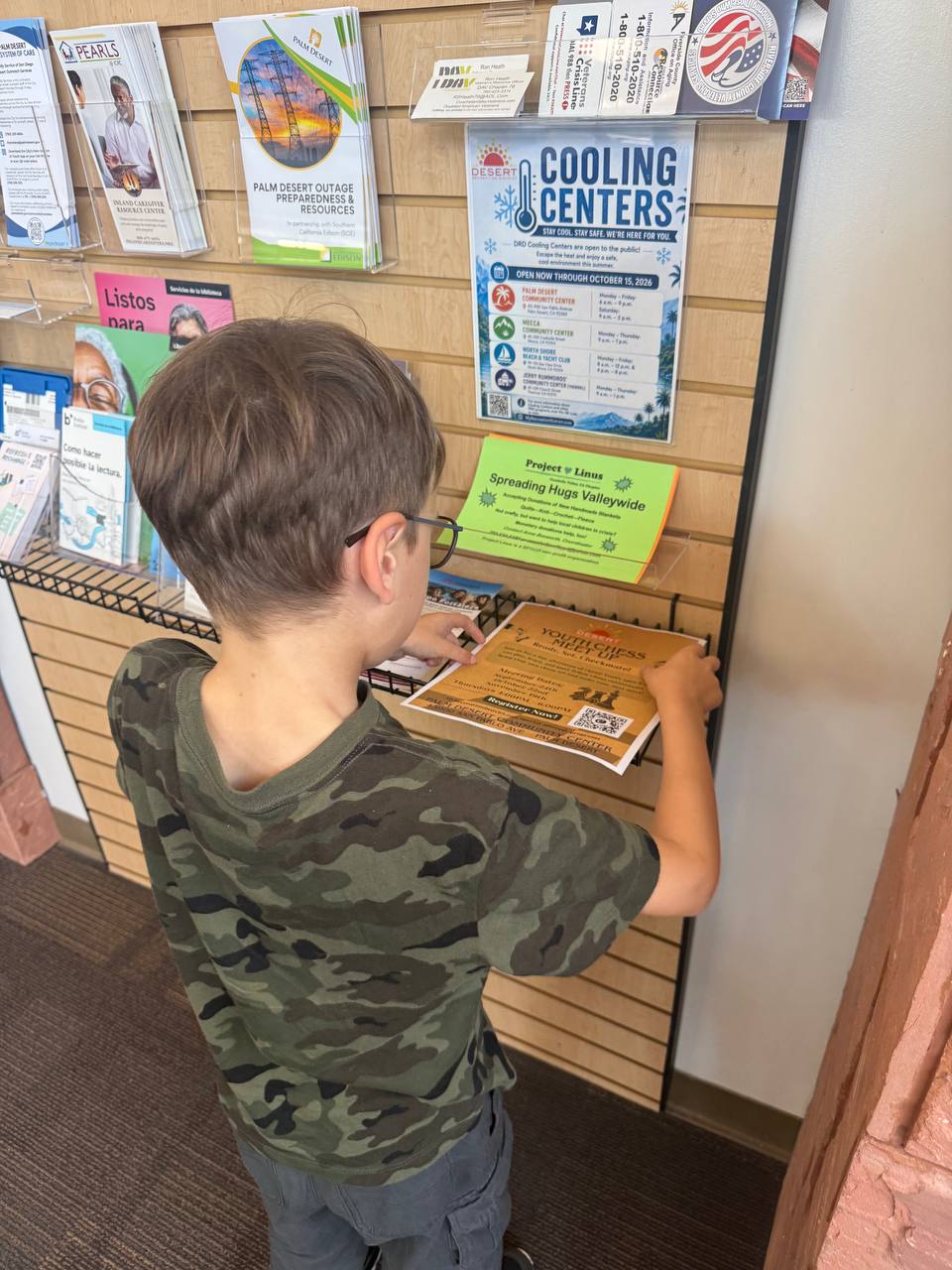
Getting the word out
The first club day is coming up, so I wanted the site to show the real work happening before opening day too.
Keith's world
This part is about me and the stuff I actually make.
I did not want this site to only sound like “chess website words.” I wanted it to show my journal, my pictures, my art, my club, and the things I really care about.
Keith's journal
This is where I write about ideas, experiments, and things I notice when I play and think.
Digital art and club vision
I also make art and write stories, so I wanted that to be part of the site too.
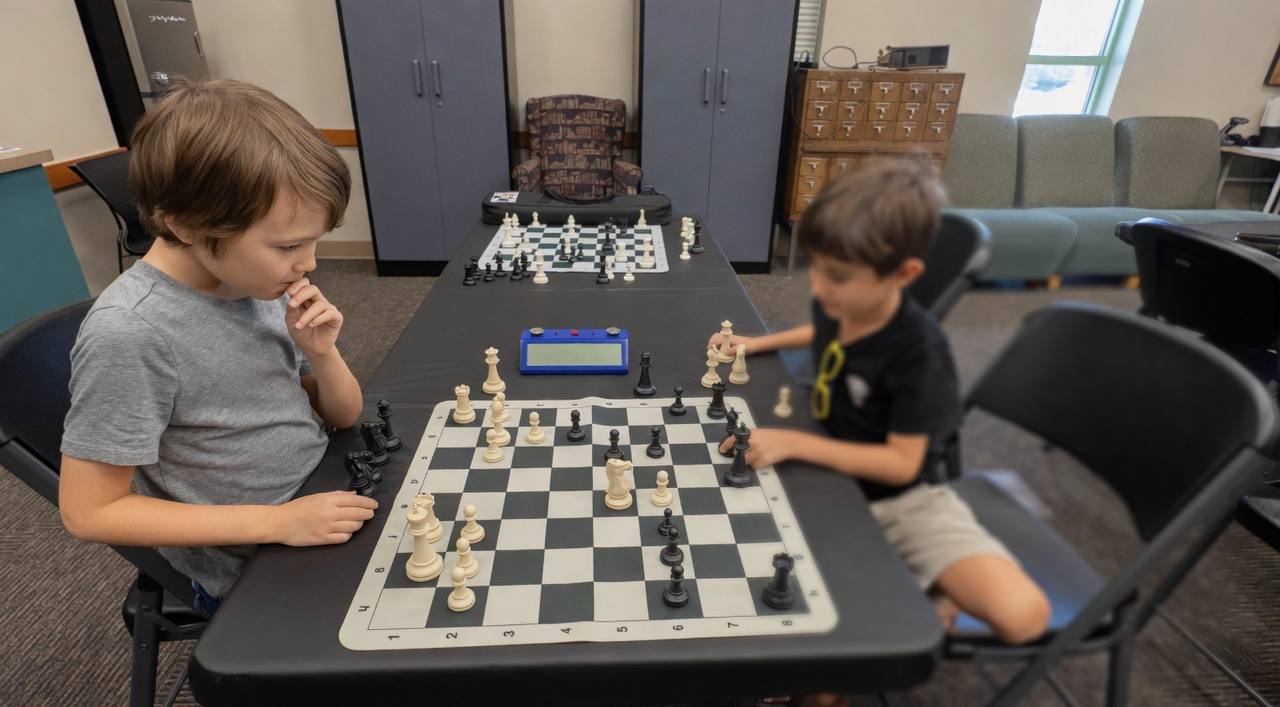
More than chess words
I wanted a few real photos on the homepage so it feels like me instead of a generic chess page.
Daily Puzzle
Here is a puzzle I like.
I wanted the homepage to have a puzzle right on it because puzzles are one of my favorite parts of chess.
White to move
Find the forcing move that checks the black king.
Hint: The queen is looking straight at the storm gate.
Lessons and tournaments
This is how I think about getting better.
I do not think learning chess is one giant jump. It feels more like levels where you keep noticing new things.
Piece Power
Learn how each piece moves with animated examples and visual cues.
Storm Tactics
Practice forks, pins, and checkmates in quick five-minute bursts.
Opening Trails
Follow simple opening patterns without needing to memorize pages of theory.
Weekend Arena
Step into short tournaments with clear rounds, friendly stakes, and parent visibility.
Parent Hub
If grown-ups are curious, this is the part for them.
Sometimes parents want to know why chess helps and what kids are actually learning, so I wanted a place for that too.
Why I think chess helps
Chess helps me think ahead, notice patterns, and calm down enough to figure things out.
- Builds focus through short repeatable practice
- Creates a calm framework for decision-making
- Turns abstract thinking into visible progress
Making it feel calmer
Sometimes too much stuff on a screen feels annoying, so I wanted this site to have a calmer version too.
- Reduced motion and softer glow effects
- Large tap targets on mobile
- Predictable layouts with familiar patterns
Easy ways to practice
You do not have to make chess a huge thing every day. Even one puzzle can count.
- One puzzle before homework
- One five-minute lesson after dinner
- One fun tournament block on the weekend
Is this site only for experienced chess kids?
No. The site is positioned for beginners and growing players, with clear on-ramps, short sessions, and parent guidance throughout.
Does the design work on phones and tablets?
Yes. The homepage is mobile-first, uses large touch targets, and keeps the main actions visible without crowding small screens.
How does StormChess support neurodivergent learners?
By combining consistent routines, friendly progress cues, optional calmer visuals, and language that speaks to both kids and parents.